

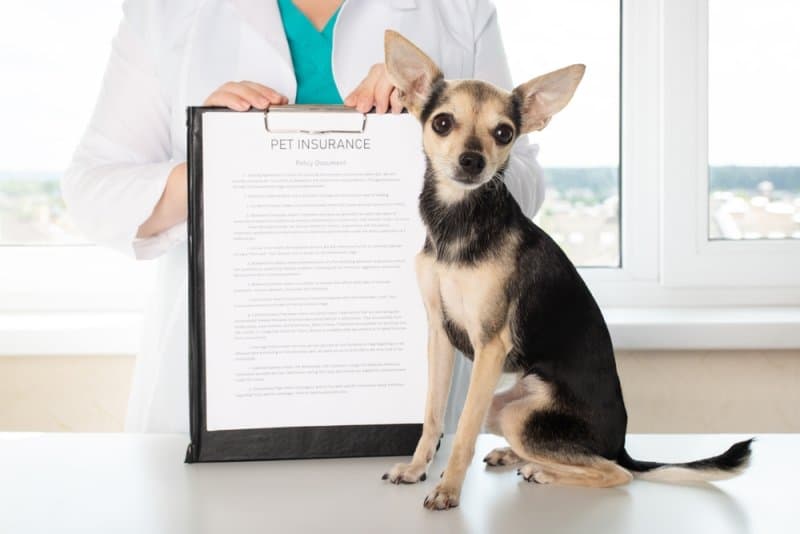
Don’t let a low monthly payment fool you. What matters is what you’ll actually pay in a year, plus how much you’re on the hook for before the plan kicks in, and what they’ll actually reimburse if disaster strikes. Pet insurance exists to help you manage those high, scary costs you can’t plan for—not as a coupon for every little vet visit.
For some pet owners, insurance barely gets used. Others face a huge emergency, and having coverage saves them from cleaning out their savings. So, is pet insurance worth it? That really comes down to your pet’s health, your bank account, and how comfortable you are paying thousands out of pocket if something goes wrong.
Pet insurance prices jump around a lot depending on where you live, what kind of pet you have, how old they are, the coverage you pick, and the company you go with. There’s no universal sticker price out there for everyone.
For most pet owners in the US, accident-and-illness plans usually run about $30 to $70 per month for dogs and $15 to $40 for cats. You might get quotes outside of those ranges, but those numbers give you a ballpark. Just remember—they’re estimates, not promises, and who knows what 2026 rates will look like.
Of course, the monthly price tag is just one part of the story. Look closely at the policy details before you start crunching numbers:
Don’t fall for a cheap plan only to find it won’t help when you really need it.
Dog insurance can be a lifesaver for breeds that get joint issues, hereditary problems, or just a bad run of injuries. Cat insurance comes in handy for emergencies, urinary issues, sudden digestive problems, and other surprise vet visits.
But it’s not just about the breed. Age, your pet’s health, their lifestyle, and whether you’d be okay paying for care out of pocket all matter, too. Is pet insurance worth it for dogs or cats? A lot of the time, yes—but the answer depends on your pet and your budget.
Don't Miss: What Is Liability Insurance? Coverage, Costs & Fit Guide
What matters way more than price is understanding what’s actually covered, especially if your pet gets hit with a tough diagnosis.
Most accident-and-illness plans cover injuries and new illnesses, as long as you stick to the policy rules, limits, and waiting periods.
Typical things they cover:
Worried about emergency vet bills? The answer’s usually yes—if the condition is covered and you’ve met all the policy’s requirements. Regular checkups, shots, teeth cleaning, and wellness visits aren’t usually included unless you pay for extra coverage.
Exclusions are where things get tricky. Two plans with the same price might cover totally different stuff. Most companies won’t cover pre-existing conditions, although they sometimes make exceptions for curable problems if certain rules are met.
Other stuff that gets excluded a lot:
Don’t just read the marketing blurb. You need to look at the actual policy.
So, are the pros of pet insurance worth it compared to just paying out of pocket?
Well, the big pluses are protection from big surprise costs, more stable budgeting, and less panic if your pet suddenly needs serious care. It lets people say yes to treatment options without maxing out credit cards or draining emergency savings.
But hey, insurance isn’t magic—you keep paying those premiums even if you barely claim, and most of the time you have to pay the bill upfront before getting reimbursed (unless your insurer pays the vet directly).
| Advantages | Disadvantages |
|---|---|
| Helps manage major unexpected bills | Premiums continue every month |
| Can support treatment decisions | Deductibles and copays apply |
| Protects against certain costly illnesses | Exclusions limit reimbursement |
| Makes expenses more predictable | Premiums may rise at renewal |
For example, say your dog needs emergency surgery that costs $4,000. Your plan has a $500 deductible and pays back 80% after that. If you haven’t used your deductible yet and the whole bill qualifies, the insurer pays $2,800, and you fork over $1,200 plus whatever you already paid in premiums.
That’s real help when you need it.
Now, if you’d paid $600 in premiums every year for five years without ever filing a claim, that’s $3,000 out of pocket. Pet insurance doesn’t always save money in the long run. Sometimes it costs less than paying vet bills straight up, especially with big emergencies, but it depends on what happens with your pet, what’s covered, and how long you’re insured.
Suggested Reading: Term Life Insurance Benefits, Costs, Coverage, and Key Tips
Older pets are a different story. Premiums climb, and existing health problems or age-related restrictions can really affect what you get back from your plan.
Is it worth it for an older dog? Sometimes, especially if you’re worried about pricey new health problems. But anything your pet already has—like arthritis or diabetes—probably won’t get coverage.
Older pets might also face age limits, higher deductibles, or fewer plan choices. Always get an actual quote—and be careful if you switch insurers, because you could lose coverage for pre-existing issues.
Signing up while your pet’s young usually gives you more options and covers more future issues—there’s no reason to wait until they’re sick.
If you’re thinking about coverage for a puppy or kitten, shop around now, check those waiting periods, and see how premiums could change later. Early sign-up doesn’t guarantee bargain prices forever, but it can make life easier down the road.
Also Read: Mental Health Insurance Coverage: Why It Matters Today
If a big vet bill would put you in a tight spot, insurance can mean real peace of mind. If you have plenty set aside and could cover a costly treatment without worry, you might feel fine just handling it yourself. Either way, don’t forget to read the fine print and make sure the coverage you pick is something you’ll actually keep up long-term.
Don’t let fear or a flashy starter rate sway you. The right policy is the one that fits both your pet’s needs and your financial comfort zone. Take time to really compare your options before vet bills catch you off guard.
Most US policies let you choose any licensed vet, even specialists, but some have specific networks or location rules. Always double-check your plan’s details.
Usually, yes. You’ll pay the vet, then send in a claim. A few companies offer direct payments under certain conditions, but don’t count on it being automatic.
In most cases, you can, though the process and possible fees depend on the insurer and your state. Make sure you know if you’ll get a refund or if quitting will affect your ability to re-enroll later.
Sometimes it does, but lots of policies exclude prescription diets or put limits on them. Check carefully if your coverage includes food, supplements, or ongoing treatments.
This content was created by AI