

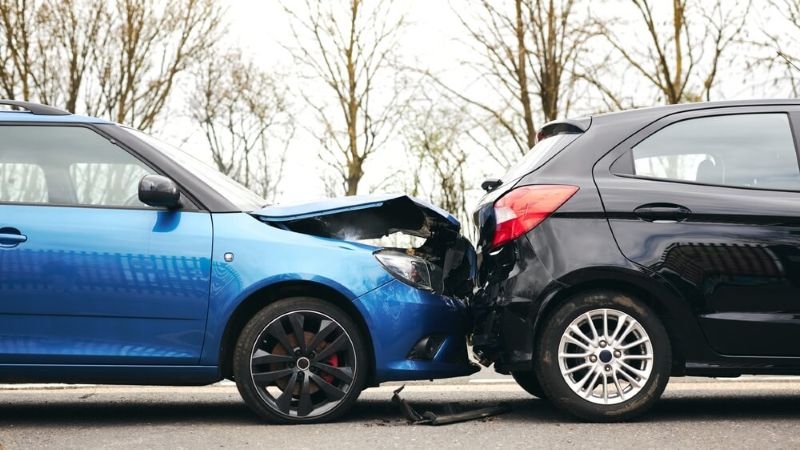
Getting into an At-Fault car Accident is a stressful experience for any driver. When a collision occurs, the process of an At-Fault car Accident Claim begins immediately. Insurance companies and local authorities focus on determining fault in a car accident to see who pays for the damages. Here is what every driver needs to know about the rules and the steps to take after a crash.
An At-Fault car Accident happens when one driver’s actions or negligence lead to a collision. This might involve speeding, tailgating, or failing to yield at a stop sign. When a driver is found responsible, their insurance company usually covers the costs for the other parties involved.
Staying calm helps a person handle the situation better. It is important to avoid admitting blame at the scene until all the facts are reviewed by professionals.
Get insights on: Car Insurance Claim Process A Practical Guide for Drivers
Insurance adjusters look at many factors when determining fault in a car accident. They check police reports, witness statements, and the laws of the road. In some states, more than one person can be blamed for the crash through a concept called comparative negligence.
The evidence found at the scene tells a story. Skid marks and the location of the impact on the cars help experts figure out exactly how the event happened.
Starting an At-Fault car Accident Claim is the first step toward fixing the vehicles. The person who caused the crash will see their insurance company work with the other driver’s provider. This process ensures that repairs are funded and medical bills are reviewed.
Policyholders should be honest with their agents. Providing clear details makes the process move faster and prevents delays in getting the car back on the road.
The person who caused an At-Fault car Accident may face more than just higher insurance rates. Depending on the severity of the crash, there could be legal tickets or fines. It is vital to understand how local traffic laws apply to the specific situation.
Most minor crashes do not lead to serious legal trouble. However, repeated accidents can make it much harder for a driver to keep their license or find affordable insurance.
The specific details found by investigators are key to determining fault in a car accident. They look at things that the drivers might have missed during the heat of the moment. Technology like dash cams or street cameras can provide a clear view of the mistake.
A police report is often the most important document. While it does not always decide the insurance outcome, it carries a lot of weight during the investigation phase.
An At-Fault car Accident Claim often leads to a rise in insurance costs. This happens because the driver is now seen as a higher risk to the company. There are ways to manage these costs over time by being a safe driver and asking for discounts.
Patience is necessary during this time. Most insurance companies will lower the rates again after a few years if the driver remains ticket-free and avoids further collisions.
Don’t Miss Out: Insurance Policy Exclusions Explained for Smarter Coverage
Knowing what to do immediately after an At-Fault car Accident can save a lot of trouble later. Safety is the priority for everyone involved. Moving the cars out of traffic can prevent a second crash from happening.
Talking too much can lead to confusion. It is better to let the official reports speak for the situation rather than trying to settle things on the side of the road.
When a person files an At-Fault car Accident Claim against another driver, they expect their car to be fixed. The insurance company of the person at fault will evaluate the repair costs. They will also look at the current value of the car to see if it is worth fixing.
The goal of the insurance company is to return the non-fault driver to the position they were in before the crash. This ensures fairness for everyone who was not responsible for the mistake.
Sometimes three or more cars are involved, which makes determining fault in a car accident much harder. These "chain reaction" crashes require a deep look at who started the first hit. It may turn out that several people share the blame for the pile-up.
In these complex cases, the investigation takes much longer. Several insurance companies have to talk to each other to decide how to split the costs of the damages.
If an At-Fault car Accident results in serious injury, a driver might need professional advice. Lawyers or insurance experts can help explain the rights of the driver. They make sure the At-Fault car Accident Claim is handled according to the law.
Having an expert on your side provides peace of mind. They can look for mistakes in the police report or find new evidence that changes how the fault is assigned.
Uncover: Smart Guide to Insurance Premiums: What Policyholders Should Know
Navigating the aftermath of a crash requires focus and honesty. Understanding how an At-Fault car Accident Claim works helps drivers stay prepared. By following the rules for determining fault in a car accident, people can move forward. Start your recovery by contacting your insurance agent to discuss the next steps today.
In most states, a crash stays on a driving record for three to five years. This timeline depends on the specific rules of the state and the insurance company.
Yes, a driver can provide new evidence to the insurance company if they disagree with the decision. This often involves showing photos or witness statements that were missed.
No, a police officer might decide not to issue a ticket even if one driver caused the crash. Fault for insurance purposes is different from criminal or traffic law violations.
Collision coverage will usually pay for the repairs to the driver's own car, even if they caused the crash. Liability coverage pays for the other person’s damages and medical bills.
This content was created by AI